
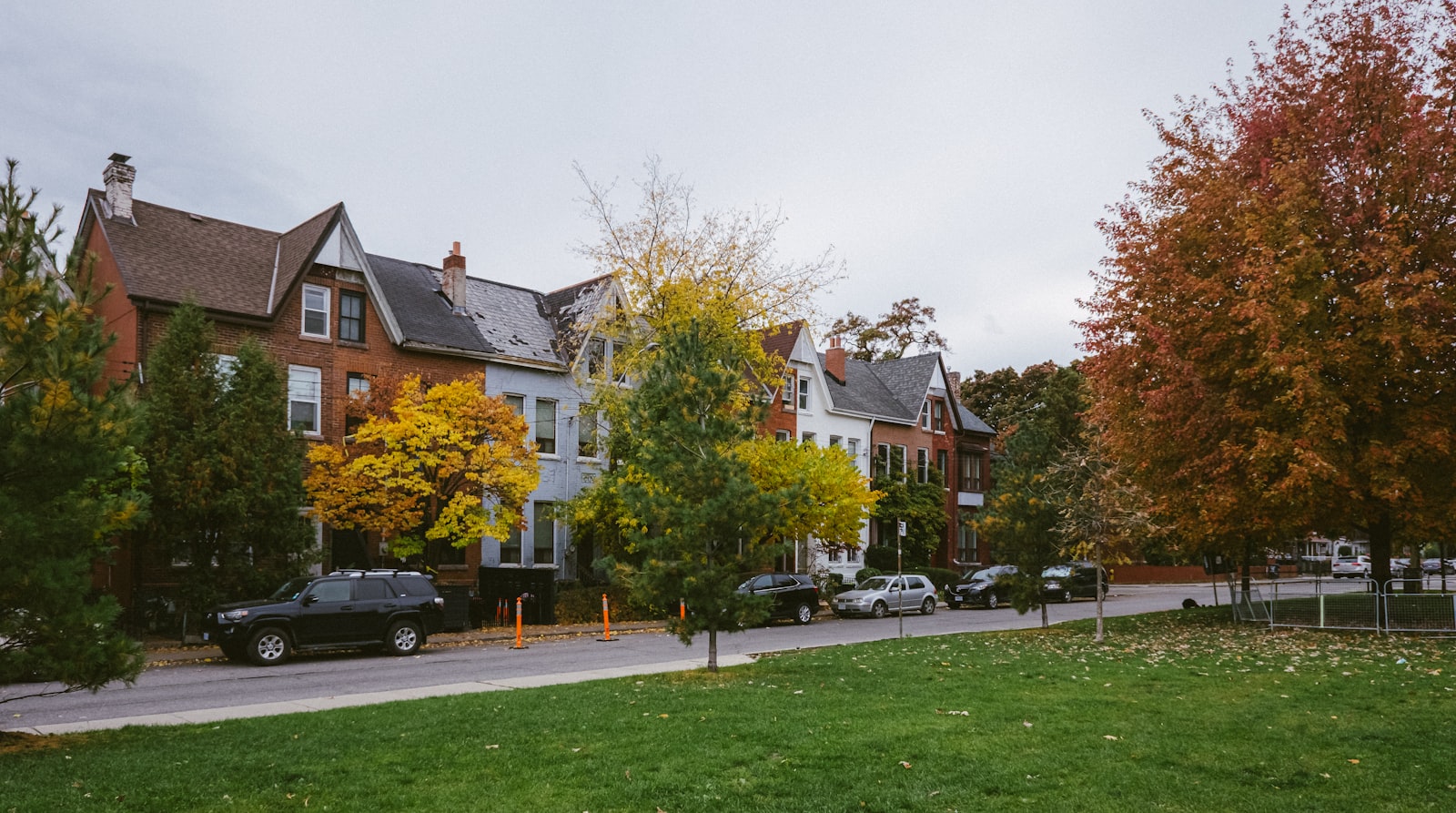
Two townhouses can look identical on the same street and still be completely different to own. A condo townhouse means you own your unit while a condo corporation owns and maintains the shared land and exterior, and you pay monthly condo fees. A freehold townhouse means you own the land and the structure yourself, with no condo fees (though some carry a smaller common-elements fee). The label on the listing, not the look of the home, decides your ownership, your fees, and what you can change.
Here is what actually separates the two, so you know what you are buying before you sign an offer.
What is a condo townhouse?
A condo townhouse is a unit inside a condominium corporation. You own the interior of your home, but the land it sits on and the exterior are owned collectively and managed by the condo corporation.
You pay monthly condo fees, and those fees usually cover things like the roof, exterior walls, snow removal, landscaping of common areas, building insurance for the structure, and a reserve fund for future repairs. In exchange, you do less hands-on maintenance yourself.
The trade-off is control. The corporation sets rules through its declaration, bylaws, and rules, and those can limit what you do outside your unit. You cannot always change exterior paint, add a deck, or park however you like.
What is a freehold townhouse?
A freehold townhouse means you own the land and the structure outright, the same way you would own a detached house. There is no condo corporation deciding what happens to the exterior, and in most cases there are no monthly fees.
You are responsible for everything: the roof, the walls, the windows, the yard, snow removal, and your own home insurance. More freedom, more responsibility.
One wrinkle: some newer freehold townhouse developments are set up as a POTL (Parcel of Tied Land) with common elements, so you own your home freehold but still pay a smaller monthly fee for shared areas like a private road, visitor parking, or a shared park. This is a middle ground, and it is common enough in the GTA that you should always check the listing.
Condo townhouse vs freehold townhouse: the core differences
The two are easy to confuse because they can look the same from the curb. What matters is what you legally own and what you are on the hook for.
Condo townhouse vs freehold vs POTL common-elements
- Who owns the land. Condo townhouse: Condo corporation (shared); Freehold townhouse: You; Freehold with POTL: You
- Who owns the structure. Condo townhouse: You own the interior; Freehold townhouse: You; Freehold with POTL: You
- Monthly fee. Condo townhouse: Yes, condo fees; Freehold townhouse: Usually none; Freehold with POTL: Yes, smaller common-elements fee
- Exterior maintenance. Condo townhouse: Corporation handles most; Freehold townhouse: You handle all; Freehold with POTL: You handle your home; shared areas covered
- What you can change. Condo townhouse: Limited by condo rules; Freehold townhouse: Broad control; Freehold with POTL: Broad control on your home
- Insurance. Condo townhouse: Unit/contents; corp insures structure; Freehold townhouse: Full home insurance; Freehold with POTL: Full home insurance
- Reserve fund contribution. Condo townhouse: Yes; Freehold townhouse: No; Freehold with POTL: Sometimes
Source: Zown Realty, Ontario 2026
What monthly fees will you actually pay?
This is where the two really diverge, and where buyers get surprised.
A condo townhouse comes with condo fees every month for as long as you own it. Those fees fund shared maintenance and a reserve fund, and they can rise over time. They are real and predictable, and a lender counts a portion of them when deciding what you can afford.
A freehold townhouse usually has no monthly fee, but you should still budget for maintenance yourself. A new roof or furnace does not fund itself, so freehold owners often set aside their own savings for big-ticket repairs.
A freehold with a POTL sits in between: a smaller monthly common-elements fee for shared infrastructure, plus full responsibility for your own home.
freehold townhouses usually carry no condo fee, while condo townhouses and POTL homes both do; always confirm the exact amount on the listing
If you want the full picture on how these fees work and what they cover, see our guides to condo fees explained and POTL fees explained.
What can you change, and what can you not?
With a condo townhouse, the condo corporation controls the exterior and common areas. You typically need approval (or it is simply not allowed) to change exterior colours, add structures, alter landscaping, or make changes visible from outside. Rules can also cover pets, parking, and short-term rentals.
With a freehold townhouse, you have far more freedom. You can usually renovate, landscape, and modify the exterior within the limits of municipal bylaws and building permits, without asking a condo board.
A POTL home follows the freehold rule for your own home, but the common-elements agreement can still set standards for the shared parts.
Who is responsible for maintenance and repairs?
In a condo townhouse, the corporation is generally responsible for the structure and shared areas, funded by your fees and the reserve fund. You maintain the inside of your unit. If the roof needs replacing, that is usually a corporation cost, not a surprise bill to you alone.
In a freehold townhouse, every repair is yours. Roof, exterior, yard, and mechanicals all come out of your own pocket and on your own timeline.
This is why the "cheaper" freehold with no monthly fee is not automatically cheaper overall. The maintenance still has to be paid for; the difference is whether it is pooled monthly or saved up by you.
How does each one affect insurance?
For a condo townhouse, the condo corporation carries insurance on the building structure and common areas. You still need your own condo unit policy for your interior, improvements, contents, and liability. Two policies, split responsibility.
For a freehold townhouse (including a POTL), you carry a full home insurance policy covering the structure and everything in it, just like a detached house owner.
What about resale value?
Both can be excellent homes and both hold value well in strong Ontario markets. The differences show up in who each one appeals to.
Freehold townhouses often attract buyers who want maximum control and no monthly fees, and the absence of condo fees can widen your buyer pool at resale. Condo townhouses appeal to buyers who want lower-maintenance living, and a well-run corporation with a healthy reserve fund can be a genuine selling point.
The warning sign at resale, on the condo side, is a corporation with a thin reserve fund or a history of special assessments, because a savvy buyer (and their agent) will ask. On the freehold side, deferred maintenance shows, so keeping the home in good shape protects your value.
Not sure which layout of ownership fits you? Our overview of the types of homes in Ontario breaks down how townhouses compare to detached, semi-detached, and condo apartments.
See what your Down Payment Boost adds up to →
Whichever type you choose, Zown can help you get there with more cash in your pocket. Our Down Payment Boost gives eligible buyers cash back of 1% of the purchase price, to a maximum of $25,000, paid into your savings at closing to help with closing costs and the expenses that come after you move in. Because our agents are salaried and not driven by commission, the advice you get on condo versus freehold is straight, and the guidance runs end to end.
Reviewed by Arjun Dhawan, Head of Account Management and REALTOR® at Zown Realty Inc. Last updated July 16, 2026. General information, not legal or financial advice.