If you are shopping for your first home in Ontario, you will run into a handful of home types over and over: detached, semi-detached, townhouse, and condo apartment. The biggest difference is not the shape of the building. It is the type of ownership, freehold or condo, which decides what you own, what you maintain, and what you pay each month.
Getting these terms straight early makes listings far easier to read. Below is a plain guide to each home type, roughly where it sits on cost, who handles maintenance, and who it tends to suit.
What are the main types of houses in Ontario?
Ontario listings usually sort into these categories. Costs below are relative to each other in the same area, not fixed prices, because location drives value more than type.
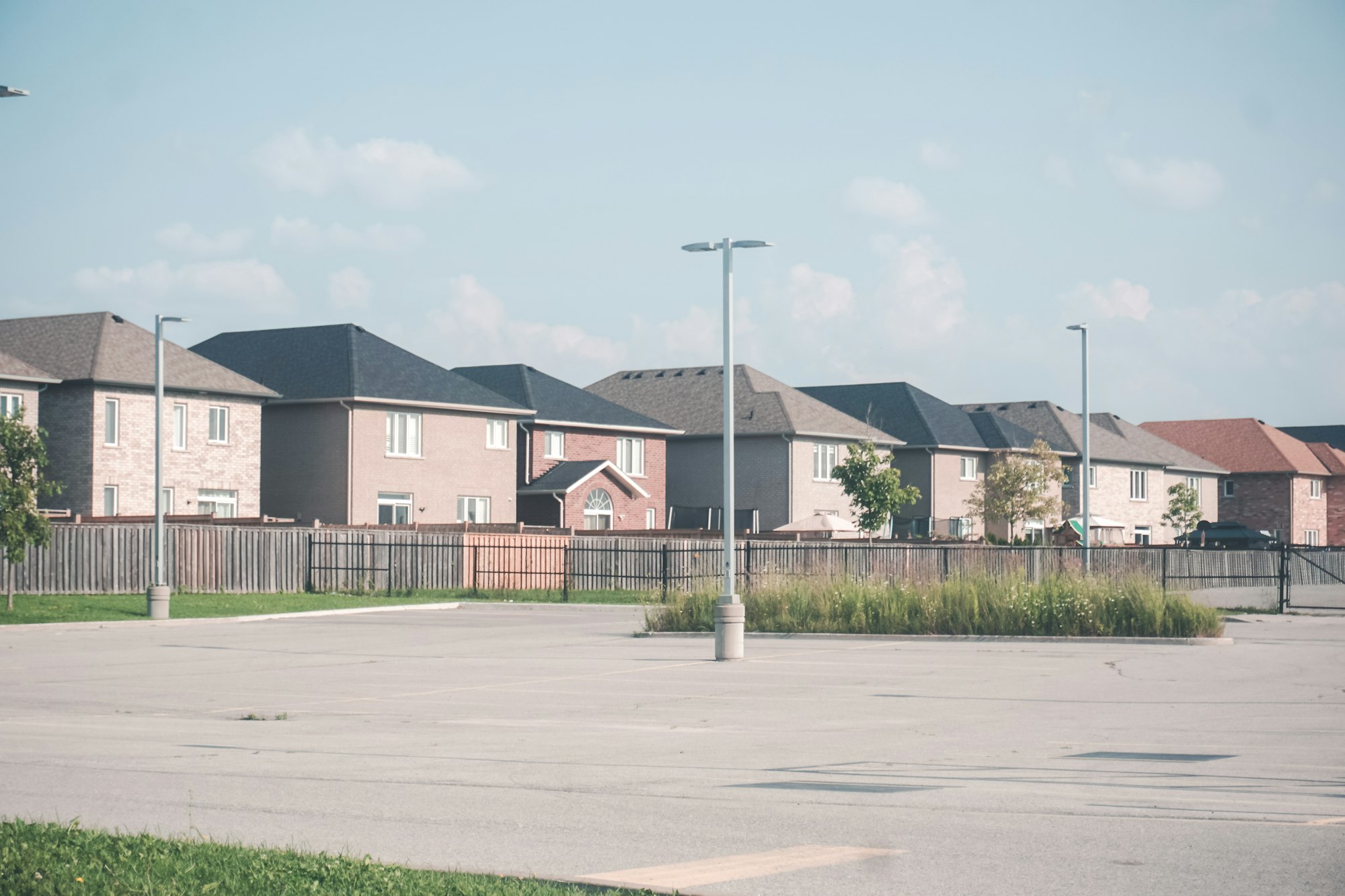
Detached house
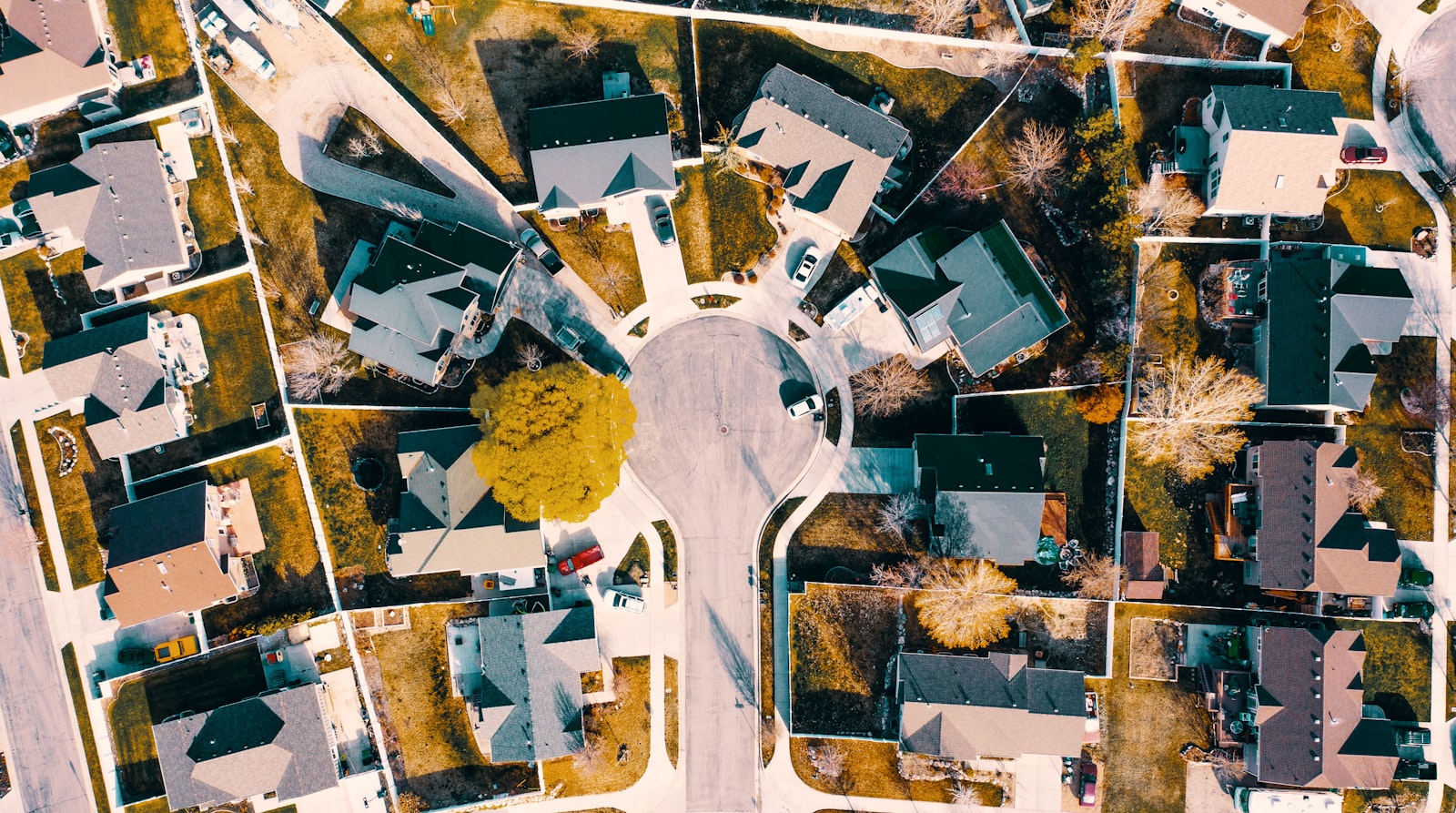
A fully standalone home that shares no walls with a neighbour, usually on its own lot with a yard. It typically sits at the top of the cost range for a given neighbourhood. You own the home and the land, so all maintenance is yours: roof, furnace, lawn, driveway, everything. Detached homes suit buyers who want the most space and privacy and are comfortable handling upkeep and a higher budget.
Semi-detached house
Two homes that share one common wall, each on its own lot. A semi usually costs less than a comparable detached home in the same area while still giving you a private entrance, yard, and land ownership. Maintenance is still all yours. Semis suit first-time buyers who want a house feel and a yard but need a lower entry price than detached.
Townhouse
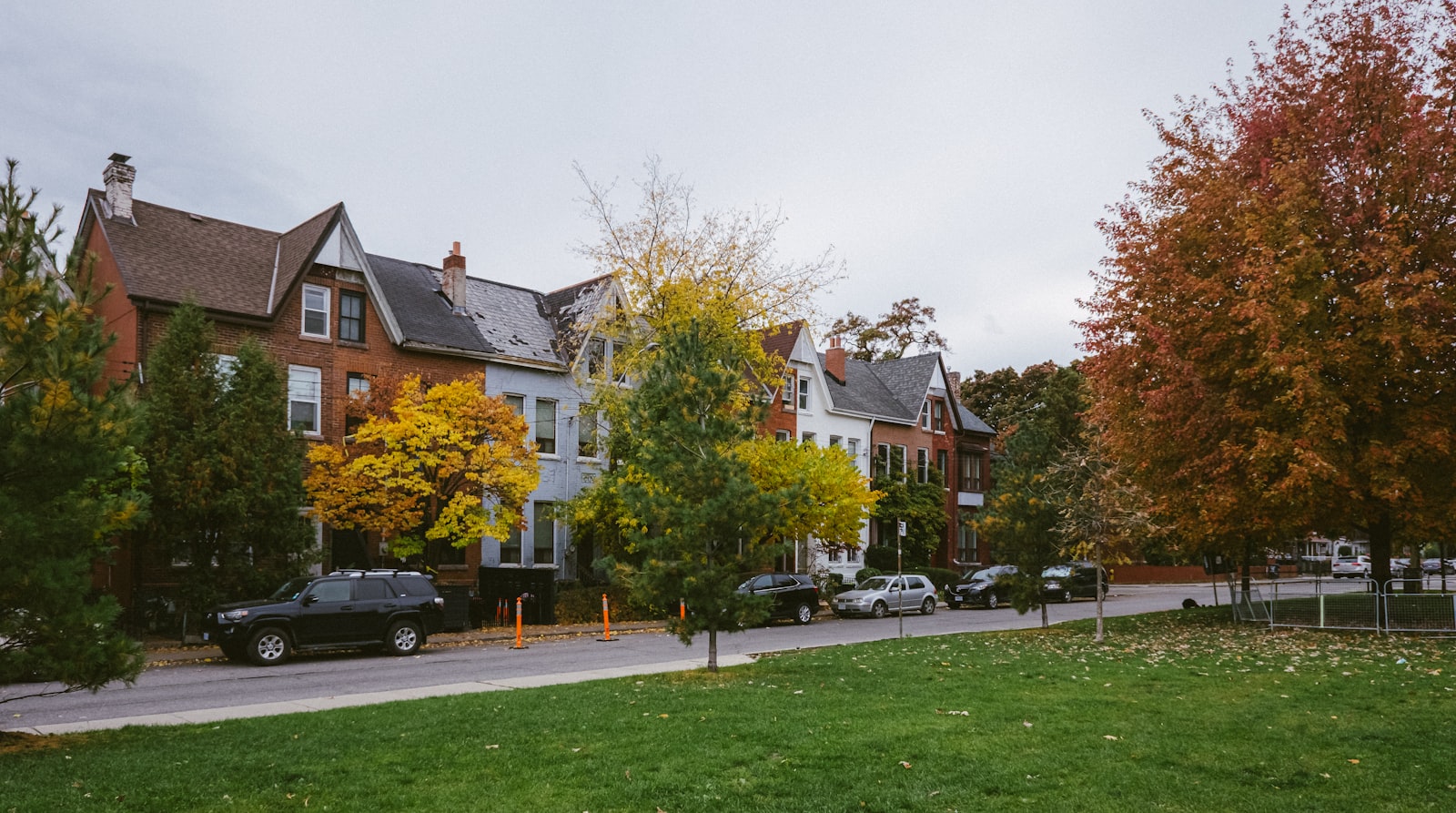
A row of homes joined by shared side walls, each unit typically multi-level. Townhouses often cost less than semis and detached homes, which makes them a popular first step. The catch is that a townhouse can be either freehold or condo, and that changes everything about fees and maintenance. More on that below.
Condo apartment
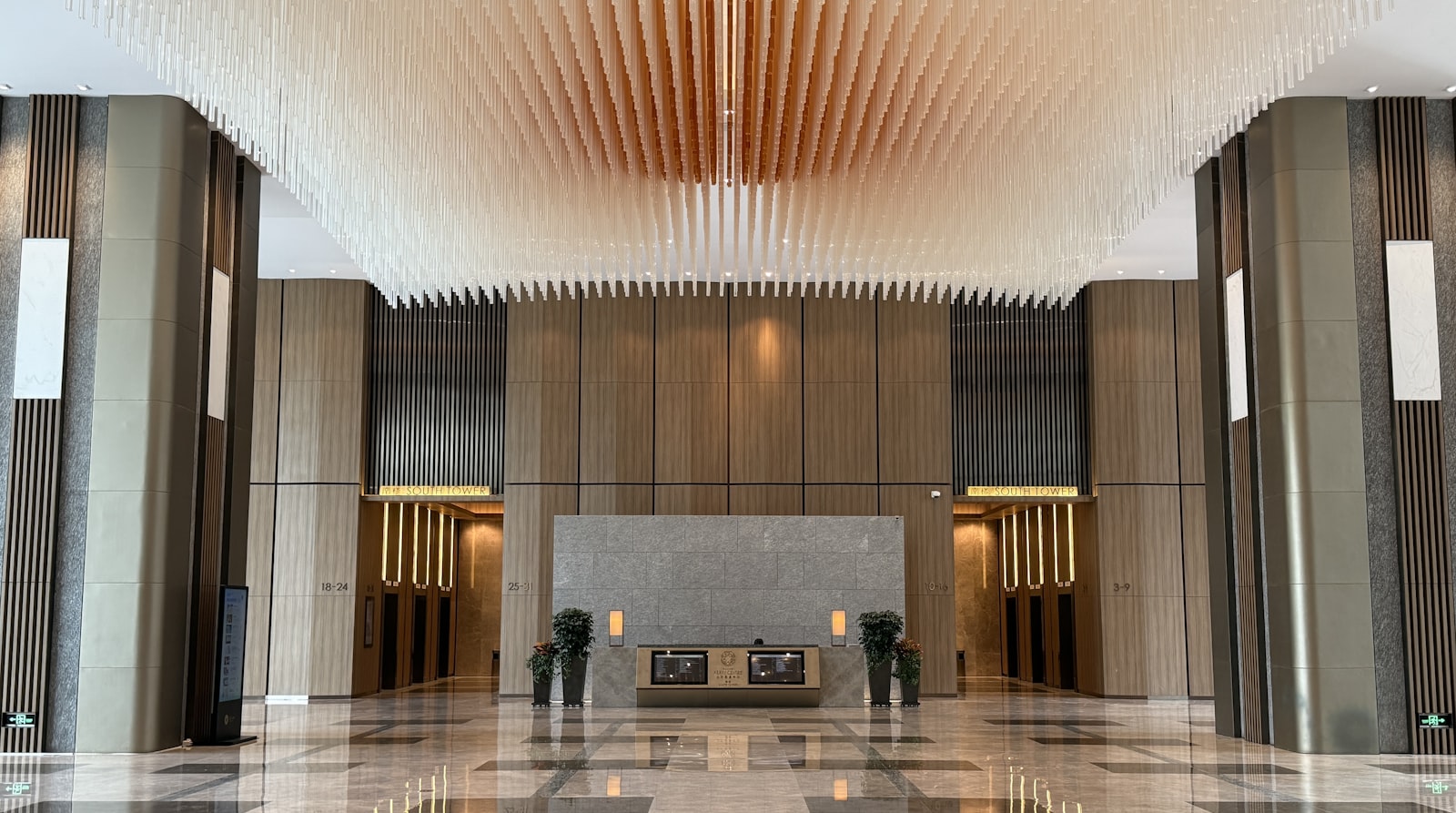
A unit inside a larger building, sharing walls, floors, and ceilings with neighbours, plus common areas like lobbies, elevators, and sometimes a gym. Condo apartments are often the most affordable entry point in a given city. You own your unit, and monthly condo fees cover building upkeep and shared spaces. They suit buyers who want low personal maintenance, a central location, or a lower purchase price.
Freehold vs condo: the ownership difference that matters most
This is the distinction that trips up the most first-time buyers, so it is worth slowing down. Freehold and condo describe how you own the property, not what the building looks like.
Freehold means you own the home and the land it sits on outright. You are responsible for all maintenance and you pay no monthly condo fee. The trade-off is full responsibility and, usually, a higher price for the same square footage.
Condo (short for condominium) means you own your individual unit and share ownership of common elements with everyone else in the corporation. A condo corporation, run by a board, handles the shared upkeep, and you pay a monthly condo fee for it. Condo ownership applies to apartments and to many townhouses.
For a deeper walk-through of the trade-offs, see our guide on condo vs house.
the number of ownership types (freehold and condo) that decide your monthly costs and maintenance duties, no matter the home's shape
The three flavours of townhouse
Townhouses deserve extra attention because the same word covers very different ownership setups.
- Freehold townhouse: you own the unit and the land under it, with no condo corporation and no monthly condo fee. You handle your own maintenance. It offers house-style ownership at a townhouse price.
- Condo townhouse: looks like a freehold townhouse from the street, but ownership works like a condo. You pay a monthly fee, and the corporation maintains shared elements like the roof, exterior, or landscaping.
- Stacked townhouse: units stacked on top of one another, so one home may sit above another. These are almost always condo ownership with monthly fees, and they tend to be among the more affordable townhouse options.
If you are weighing the two most common townhouse setups, our condo vs freehold townhouse breakdown compares fees, maintenance, and resale.
What is POTL?
There is one more wrinkle. Some freehold townhouses belong to a Parcel of Tied Land, or POTL. You own your home and land freehold, but you also pay a fee toward shared elements like private roads, visitor parking, or a common green space managed by a condo corporation. So you can own freehold and still have a monthly fee. Always ask whether a freehold listing carries a POTL fee before you assume there are no monthly charges.
Home type comparison for Ontario buyers
Here is a quick reference tying home type to ownership and the buyer it tends to fit.
Ontario home types at a glance
- Detached. Ownership: Freehold; Who it tends to suit: Buyers wanting maximum space, privacy, and land, with the budget and willingness to maintain it
- Semi-detached. Ownership: Freehold; Who it tends to suit: First-time buyers who want a house and yard at a lower price than detached
- Freehold townhouse. Ownership: Freehold (sometimes POTL fee); Who it tends to suit: Buyers who want to own land and skip condo fees but need a lower entry price
- Condo townhouse. Ownership: Condo; Who it tends to suit: Buyers who want a townhouse feel with less personal maintenance
- Stacked townhouse. Ownership: Condo; Who it tends to suit: Budget-focused buyers comfortable with shared walls and monthly fees
- Condo apartment. Ownership: Condo; Who it tends to suit: Buyers prioritizing affordability, location, and low personal upkeep
Source: Zown Realty, Ontario 2026
How does condo fee vs no fee affect what you can afford?
A monthly condo fee is not wasted money. It funds maintenance you would otherwise pay for yourself on a freehold home, and it covers shared amenities. But lenders count that fee when they work out how much you can borrow, so a high fee can lower your maximum purchase price.
A freehold home has no condo fee, but you should still budget for the upkeep you now own entirely, from a new roof to a furnace. Neither path is automatically cheaper. It depends on the specific property and how well the condo is managed.
Condo fees vary widely by building and what they include, so read the numbers on each listing. Our condo fees explained guide covers what fees typically pay for and how to spot a healthy condo corporation.
Which type of home is right for a first-time buyer?
There is no single right answer, but a few questions help narrow it down. How much maintenance are you willing to take on yourself? Do you want a yard and land, or is location and low upkeep more important? And what does your budget allow once monthly fees are factored in?
Many first-time buyers in the GTA start with a condo apartment or a townhouse because the entry price is lower, then move up to a semi or detached home later. There is no wrong starting point. The best home type is the one that fits your numbers and your life today.
A Zown agent can walk you through the trade-offs without a sales push, because our agents are salaried rather than commission-driven. That means the advice you get is about the right fit for you, not the biggest sale.
See what your Down Payment Boost adds up to →
Reviewed by Arjun Dhawan, Head of Account Management and REALTOR® at Zown Realty Inc. Last updated July 16, 2026. General information, not legal or financial advice.